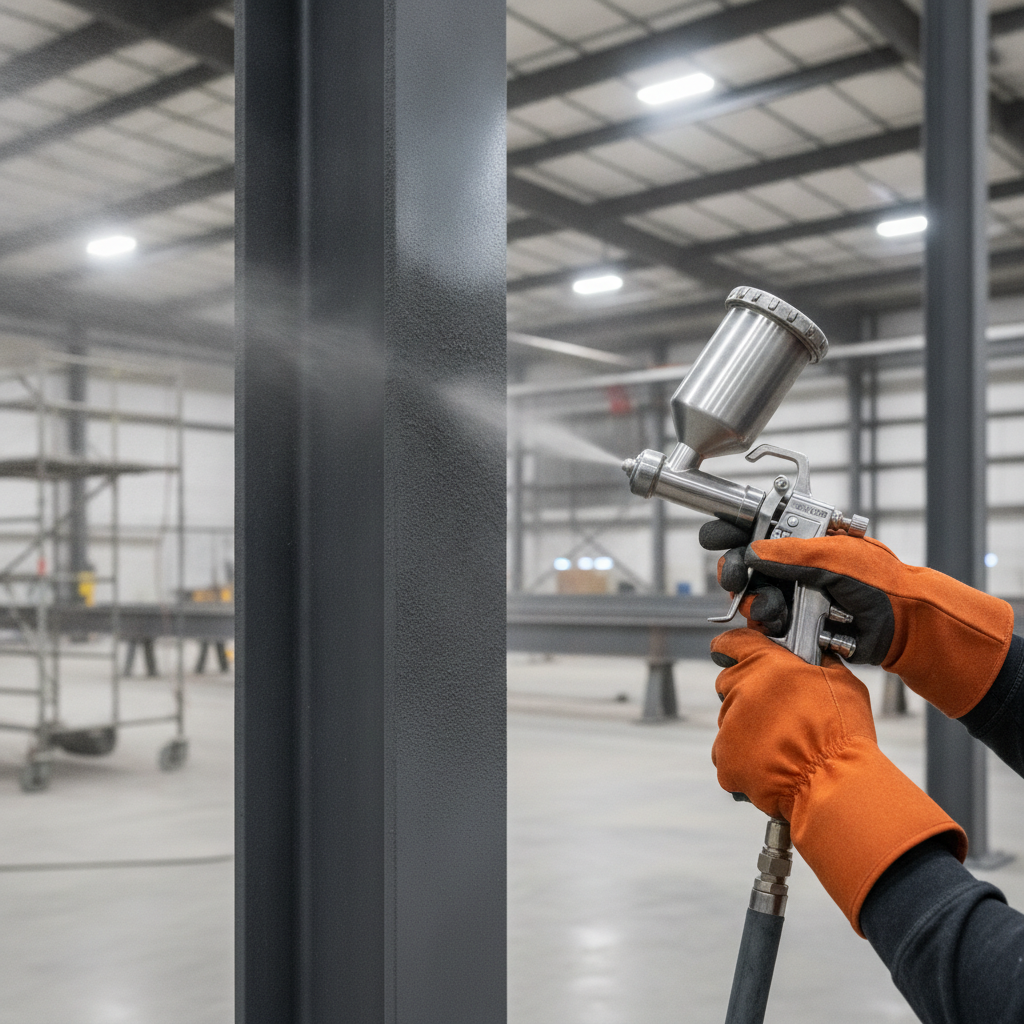
Most fireproofing contractors assume their general liability policy has them covered for anything that goes wrong on a job. It does not. One of the most important and most misunderstood gaps in a standard general liability policy is the pollution exclusion, and for a trade that sprays material, grinds and mixes dust, and disturbs old coatings, that gap can be catastrophic. If you apply SFRM, intumescent coatings, or firestopping, contractors pollution liability is not optional. It is the coverage that protects you from the exposures your work creates every day.
General Liability Excludes Pollution
Open a standard commercial general liability policy and you will find a pollution exclusion. It is broad, and courts have generally upheld it. The policy is designed to cover sudden, accidental third-party injuries and property damage, but it specifically carves out claims arising from the discharge, dispersal, release, or escape of pollutants. The trouble for fireproofing contractors is that the definition of "pollutant" is wide. It commonly includes irritants, contaminants, dust, fumes, and similar materials, exactly the kinds of substances that fireproofing work puts into the air.
That means if a claim arises because of airborne material, dust, or contamination from your operations, your general liability carrier may deny it. The claim does not disappear; it just lands on you.
The Pollution Exposures Hiding in Fireproofing Work
Fireproofing is, by its nature, a trade that generates and disturbs airborne and particulate materials. The exposures are real and recurring.
- Overspray and airborne material. Spray-applied fireproofing does not always stay where you aim it. Overspray can drift onto adjacent finishes, equipment, ductwork, vehicles, and neighboring tenant spaces. Cleanup and replacement of contaminated property can become a sizable claim.
- Silica dust from mixing and spraying. Many fireproofing and cementitious products contain crystalline silica. Mixing, pumping, sanding, and patching can release respirable silica dust. Silica is a regulated health hazard, and exposure claims from workers or third parties can fall squarely outside general liability.
- Asbestos exposure during renovation and removal. This is the big one. Older buildings frequently have asbestos-containing fireproofing applied decades ago. When you cut, remove, repair, or even disturb existing fireproofing on a renovation, you can release asbestos fibers. The liability associated with asbestos disturbance is severe, and it is almost universally excluded from general liability policies.
Any one of these can turn into a claim involving bodily injury, property contamination, regulatory action, and expensive remediation, none of which your general liability policy is built to handle.
What Contractors Pollution Liability Covers
Contractors pollution liability, or CPL, is designed specifically to fill the gap the pollution exclusion leaves behind. While every policy form differs, a well-structured CPL policy for a fireproofing contractor typically responds to:
- Bodily injury caused by a pollution condition arising from your operations, including third-party exposure to dust, fibers, or airborne material.
- Property damage from contamination, such as overspray that settles on and damages adjacent property.
- Cleanup and remediation costs to remove contamination and restore affected areas, including costs you are legally obligated to pay.
- Indoor air quality claims that arise when occupants of a building allege exposure to airborne contaminants connected to your work.
- Defense costs associated with pollution claims, which on their own can be substantial even when a claim is ultimately disputed.
The exact scope depends on the policy form and how it is endorsed, which is why it matters to work with an agent who understands the fireproofing trade and will read the form, not just sell a certificate.
Why Renovation and Removal Work Makes CPL Essential
If your business does any renovation, repair, or removal of existing fireproofing, contractors pollution liability moves from "strongly recommended" to "essential." New-construction SFRM on clean steel still carries overspray and silica exposure, but renovation adds the asbestos dimension. You often cannot know with certainty what was applied to a building years ago until you are into the work. The moment a crew disturbs an unknown coating, the potential for an asbestos-related claim exists, and that exposure can outlive the job by years.
General contractors and building owners increasingly understand this too. Many now require proof of pollution coverage before they will allow a fireproofing sub on a renovation site, particularly on older commercial and industrial buildings.
Protect Your Business Before the Claim, Not After
The pollution exclusion is not something to discover after an overspray, silica, or asbestos claim has already landed. By then it is too late to buy the coverage you needed. Contractors pollution liability is one of the defining coverages of the fireproofing trade precisely because the exposures are built into the work itself.
Fireproofing Insurance, a division of Contractors Choice Agency, has specialized in coverage for fireproofing and coatings contractors since 2005. We are licensed in all 50 states and place coverage with A.M. Best A+ rated carriers who understand SFRM, intumescent, and firestopping operations. We will review your specific work, including any renovation or removal exposure, and structure a pollution program that actually responds when you need it.
Call us today at 844-967-5247 or request a quote, and let us close the gap your general liability policy leaves wide open.