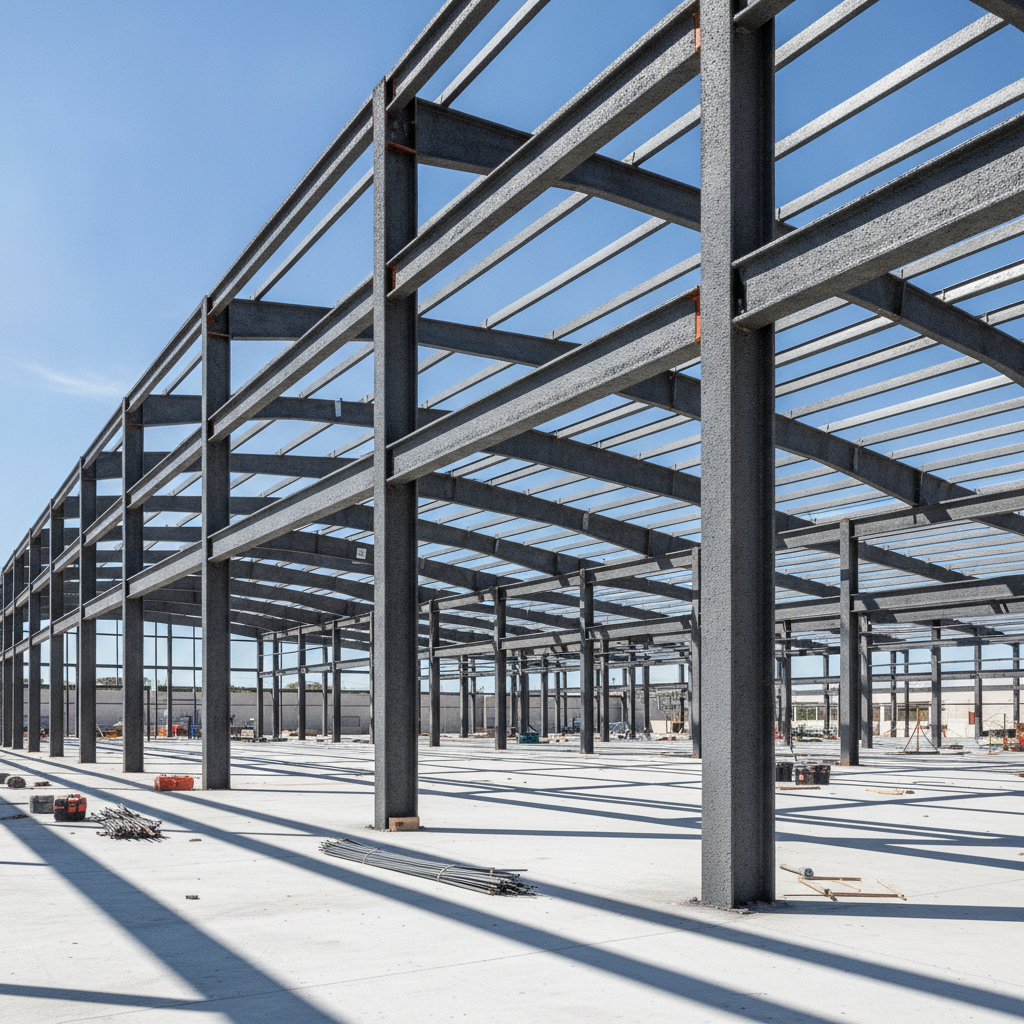
When a fireproofing crew packs up and leaves a finished job, the work looks done. The steel is coated, the firestop is sealed, the inspector signed off. But fireproofing is unlike most trades in one critical way: the product you installed may never be truly tested until a real fire occurs, and that could be years after you left the site. That long gap between completion and the moment of truth is exactly why products-completed operations coverage is the most important coverage a fireproofing contractor carries.
Fireproofing Is a Life-Safety System on a Delay
A painter's mistake shows up quickly. A fireproofing contractor's mistake may stay invisible for years. SFRM, intumescent coatings, and firestopping all exist for one purpose: to slow the spread of fire and heat long enough to protect structural steel and allow people to evacuate. The system sits dormant, doing nothing visible, until the day a fire starts.
If the fire reveals that the fireproofing did not perform as rated, the consequences are severe, and the question of who is responsible reaches back to the contractor who applied it. That is why your coverage cannot simply protect you during the job. It has to protect you for the work after it is complete, potentially long after.
What Products-Completed Operations Covers
Products-completed operations is the part of your general liability policy that responds to bodily injury and property damage arising from your finished work, after you have left the site. For a fireproofing contractor, this is where the real exposure lives. Claims that can fall under completed operations include:
- Insufficient thickness or density. SFRM is rated based on applied thickness and density. If material was applied too thin or too light to meet the assembly's fire-resistance rating, the protection may fail in a fire.
- Adhesion or bond failure. Fireproofing that delaminates, cracks, or falls off the steel over time leaves structural members exposed.
- Missed or incomplete areas. Gaps behind ductwork, at connections, or in hard-to-reach areas can compromise the rated assembly.
- Firestop failure. Improperly installed firestopping at penetrations and joints can allow fire and smoke to pass between rated compartments.
- Underperformance in an actual fire. If the system as installed does not deliver its rated protection when it matters, the resulting injury and property damage claims point back to your work.
These are not hypothetical risks. They are the core of what can go wrong in this trade, and they almost always surface after the job is finished.
Why the Completed-Operations Tail and Aggregate Matter
Because fireproofing failures can emerge years after completion, two features of your policy deserve close attention: the completed-operations tail and the aggregate limit.
The "tail" refers to your ability to respond to claims that arise from work performed in prior policy periods. General liability is typically written on an occurrence basis, which means a properly maintained policy can respond to a claim that surfaces later, based on the policy in force when the work was done. But that protection depends on continuous coverage and the right policy structure. Gaps in your coverage history can leave old work unprotected.
The aggregate limit matters because products-completed operations usually carries its own separate aggregate. A single fire involving a building you fireproofed could generate multiple claims at once. If your aggregate is too low, it can be exhausted quickly, leaving you exposed for the remainder. Carrying adequate completed-operations limits is not a place to economize.
Why Letting Coverage Lapse Leaves You Exposed for Old Work
This is the trap that catches contractors who retire, restructure, or simply let a policy lapse to save money. The fireproofing you applied years ago does not stop being your responsibility just because your current policy ended. If a building you worked on has a fire next year, the claim can still come for you and the business you operated.
Maintaining continuous coverage, and considering extended reporting or tail arrangements when your business changes, is how you keep that old work from becoming an uninsured liability. An agent who understands the trade will plan for this rather than letting it slip.
Why This Is the Highest-Stakes Coverage in the Trade
Most coverages protect you against everyday mishaps. Completed operations protects you against the one scenario fireproofing exists to prevent: a fire in which your system has to perform. The stakes in that scenario, both human and financial, are as high as any in construction. A fireproofing contractor without strong, continuous completed-operations coverage is betting the entire business on the hope that no building they ever worked on catches fire under the wrong conditions. That is not a bet worth taking.
Make Sure Your Work Is Protected After the Job
The right completed-operations coverage, with adequate limits, the right aggregate, and a continuous history that protects your past work, is the foundation of a sound fireproofing insurance program. Getting it right takes an agent who understands what SFRM, intumescent, and firestopping work actually involves.
Fireproofing Insurance, a division of Contractors Choice Agency, has specialized in this trade since 2005. We are licensed in all 50 states and work with A.M. Best A+ rated carriers. We will review your completed-operations exposure and structure coverage that protects not just the job you are on now, but the work you finished years ago.
Call us today at 844-967-5247 or request a quote, and let us make sure your fire-rating work stays protected long after the crew goes home.