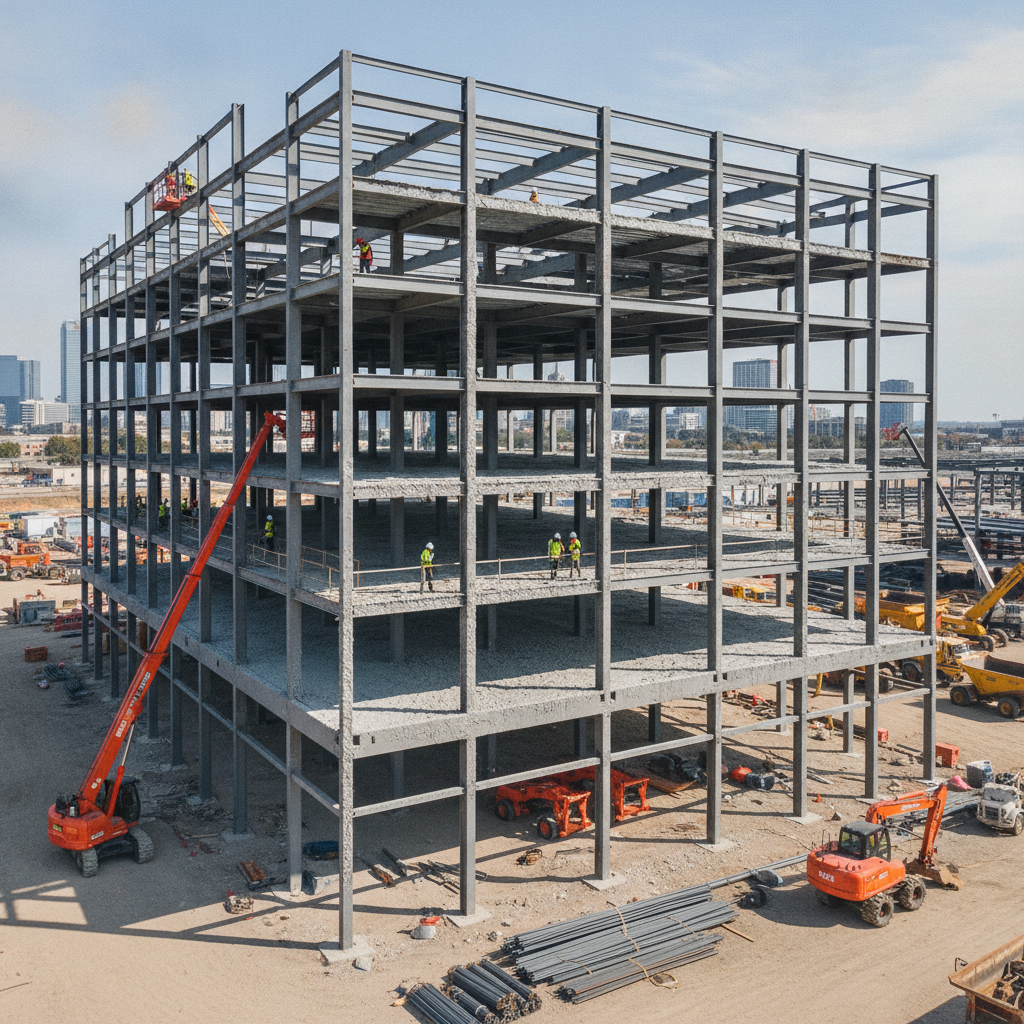
If you apply spray-applied fire-resistive material (SFRM), intumescent coatings, or install firestopping systems, one of the first questions you will ask is simple: what does insurance actually cost? The honest answer is that there is no flat rate. Two fireproofing contractors with the same crew size can pay very different premiums depending on the work they take, where they operate, and how they manage risk. Understanding what underwriters look at is the best way to control what you pay.
There Is No Single "Fireproofing Insurance Rate"
Insurance carriers price each policy from the ground up using your specific exposures. A small intumescent coatings shop doing tenant fit-outs presents a very different risk than a contractor spraying SFRM on high-rise structural steel or removing old fireproofing during a renovation. Because of that, you should be cautious of any quote that arrives without questions about your operations. A real number comes only after an underwriter understands your revenue, payroll, and the type of work you perform.
What we can do is explain the factors that move your premium up or down, so you know where you stand before you call.
The Main Rating Factors
- Annual revenue. General liability premiums are typically rated on your gross receipts. More revenue generally means more exposure and a higher base premium, though larger contractors often earn better rates per dollar of revenue.
- Payroll. Workers' compensation is rated per hundred dollars of payroll within each class code. Your total payroll and how it splits across job functions both matter.
- New construction vs. renovation and removal. New-build SFRM application on clean steel is generally viewed more favorably than renovation, repair, or removal of existing fireproofing. Removal work can disturb silica and, on older buildings, asbestos-containing material, which raises the risk profile significantly.
- Work at height. Spraying steel on multistory structures, elevated decks, and high-bay industrial buildings increases fall exposure, which affects both liability and workers' compensation pricing.
- Equipment values. Pumps, mixers, spray rigs, compressors, scaffolding, and lifts you want covered under inland marine or contractors' equipment coverage add to the total cost based on their replacement value.
- Claims history and EMR. Your loss runs and your experience modification rate (EMR) tell underwriters how your safety record compares to peers. A clean history and a low EMR can earn credits; frequent or severe claims drive premiums up.
- Coverages and limits selected. The more coverage lines you carry and the higher your limits, the higher the premium. Pollution liability, higher umbrella limits, and robust completed-operations coverage all add cost, but they exist because the trade needs them.
Why Fireproofing Rates Run Higher Than Low-Hazard Trades
Fireproofing is classified as a higher-hazard trade for good reasons. The work involves life-safety systems, application at height, airborne particulates and silica, and on renovation jobs the potential to disturb asbestos. Just as important, fireproofing is a system that may not be tested until a real fire occurs, sometimes years after the job is complete. That long tail of products-completed operations exposure is part of why carriers price the trade more conservatively than, say, painting or finish carpentry. The premium reflects the stakes.
Ways to Lower Your Premium
You have more influence over your cost than you might think. Underwriters reward contractors who actively manage risk.
- Build a documented safety program. Written fall protection, respiratory protection, silica exposure control, and hazard communication plans show carriers you take loss prevention seriously.
- Drive down your EMR. Reducing claim frequency, returning injured workers to light duty, and investigating incidents all lower your experience modifier over time, which directly reduces workers' comp cost.
- Make sure your class codes are correct. Misclassified payroll or operations can inflate your premium. An agent who understands fireproofing will place your work in the right codes.
- Right-size your limits. Carry the limits your contracts and risk actually require, rather than over- or under-buying. The wrong structure costs money either way.
- Bundle and stay loss-free. Packaging coverages with one carrier and maintaining a clean loss history both open the door to credits at renewal.
Coverages a Fireproofing Contractor Typically Needs
A complete program for a fireproofing or firestopping contractor usually includes:
- General liability with strong products-completed operations coverage
- Contractors pollution liability for overspray, silica, and asbestos exposures
- Workers' compensation for your crews
- Commercial auto for trucks and rigs
- Inland marine / contractors' equipment for pumps, mixers, and tools
- Commercial umbrella / excess liability to satisfy GC and owner requirements
- Tools and installation floater coverage where appropriate
The right combination depends on your contracts, your operations, and the states where you work.
Get a Real Number for Your Operation
The only way to know what your insurance will cost is to have someone who knows the fireproofing trade review your specific exposures. Fireproofing Insurance, a division of Contractors Choice Agency, has been placing coverage for contractors since 2005, is licensed in all 50 states, and works with A.M. Best A+ rated carriers. We will help you structure a program that protects your business without paying for coverage you do not need.
Call us today at 844-967-5247 or request a quote, and we will give you a straight answer based on your actual operation.